When a warning light appears, plugging in a code reader can reveal a combination of letters and numbers connected to the vehicle’s computer system. That information is useful, but it does not automatically identify the failed part or explain why the warning appeared.
A trouble code points technicians toward a system, circuit, or condition that needs further testing. A professional diagnostic process uses that starting point along with vehicle history, live computer data, electrical measurements, mechanical tests, and a physical inspection. Understanding the difference can help drivers avoid replacing parts that are still working correctly.
What An Error Code Scan Actually Tells You
Modern vehicles contain computers that monitor the engine, transmission, emissions equipment, safety systems, and other electronic controls. When a monitored value moves outside an expected range, the computer may store a diagnostic trouble code and turn on a warning light.
The code describes what the computer detected, not necessarily which component caused it. For example, a lean mixture code means the engine computer has identified too much air or too little fuel under certain conditions. The source could be a vacuum leak, weak fuel pump, dirty sensor, leaking exhaust, restricted injector, wiring fault, or inaccurate sensor signal.
Why One Code Can Have Several Possible Causes
Vehicle systems are connected, so a problem in one area can create readings that look like trouble somewhere else. A low-voltage condition may set communication codes in several modules. An intake leak may cause oxygen sensor readings that seem abnormal even though the sensors are responding correctly.
Replacing the component named in a code description can therefore lead to unnecessary expense. An oxygen sensor code does not always require an oxygen sensor, and a misfire code does not always mean the spark plugs are worn. Testing must determine whether the component is faulty or accurately reporting another problem.
What A Full Professional Diagnostic Includes
A complete diagnostic begins by confirming the driver’s concern and gathering details about when the symptom occurs. The technician may ask whether the warning appears during cold starts, highway driving, acceleration, wet weather, or after refueling. Those details help recreate the conditions that caused the computer to store the code.
The process may include:
- Scanning every available control module
- Reviewing stored, pending, and history codes
- Checking freeze-frame information
- Monitoring live sensor data
- Testing battery and charging voltage
- Measuring electrical circuits
- Checking fuel pressure or engine vacuum
- Performing smoke, compression, or leak tests
- Following manufacturer test procedures
Not every vehicle needs every test. The technician selects the most useful steps based on the symptoms, code information, service history, and results gathered along the way.
Live Data Shows What The Vehicle Is Doing
A professional scan tool can display information from sensors and control modules while the engine runs or the vehicle is driven. Technicians compare temperature, airflow, fuel trim, oxygen sensor activity, throttle position, pressure readings, transmission data, and other values with the expected operating range.
Live data becomes especially helpful when a concern happens only under specific conditions. A sensor may work correctly at idle but fail when the engine warms up. Fuel pressure may be acceptable in the shop yet drop during acceleration. Watching the data during the symptom helps narrow the source without replacing several possible components.
Electrical And Mechanical Tests Confirm The Cause
A code may identify a circuit with low voltage, high resistance, or an implausible reading. That still does not show whether the cause is a failed sensor, corroded connector, damaged wire, poor ground, blown fuse, or computer problem. A multimeter, test light, oscilloscope, or current probe may be needed to evaluate the circuit.
Mechanical conditions can also create electronic fault codes. Low compression may cause a misfire. A timing problem can affect camshaft and crankshaft correlation. An exhaust leak can change oxygen sensor readings. Professional testing connects the electronic information with the engine’s actual mechanical condition.
Clearing Codes Does Not Complete The Repair
Clearing a trouble code turns off the warning light and erases stored information, but it does not correct the cause. If the fault remains, the light will return after the computer runs the affected monitor again. That may happen immediately or only after several trips.
Erasing codes too early can also remove freeze-frame data that shows engine speed, temperature, load, and other details from the moment the fault occurred. That information may be valuable during diagnosis. Codes should usually be documented before they are cleared, and the system should be tested after the repair to confirm the fault does not return.
When A Basic Code Scan Is Still Useful
A basic scan can help drivers understand which general system triggered a warning and whether the problem may require prompt attention. It can also reveal a loose fuel cap or another simple issue when the code and symptoms support that conclusion.
The scan becomes less useful when it is treated as a complete answer. Internet searches often list several possible parts for the same code without accounting for the vehicle’s engine, software, service history, or current data.
Regular maintenance records and previous repair information can provide valuable context that a code reader cannot access.
Why Accurate Diagnosis Can Save Money
Testing requires time, but it can prevent repeated parts replacement. Installing a sensor, coil, valve, or computer without confirming the fault may leave the original symptom unchanged. The driver then pays for another part and another repair attempt.
A structured diagnostic plan focuses on evidence. Each test should confirm a cause, eliminate a possibility, or guide the next step. Once the failed component or underlying condition is identified, the repair can address the source rather than the warning code alone.
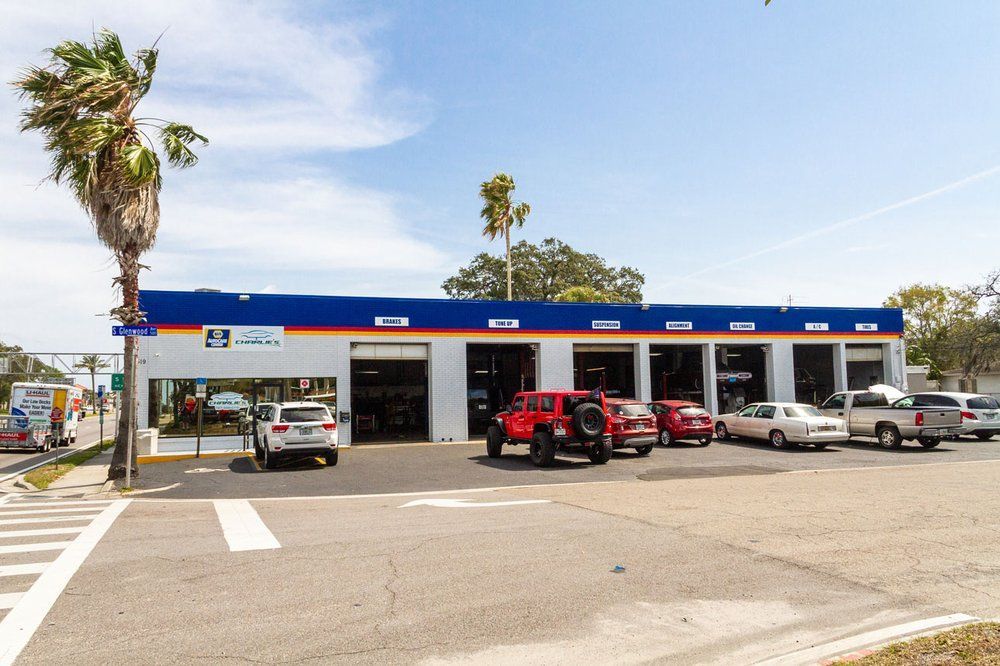
Get Professional Vehicle Diagnostics In Clearwater, FL, With Charlie's Car Care
If your check engine light or another warning indicator has appeared,
Charlie's Car Care
in Clearwater, FL, can scan the vehicle, review live data, test related systems, and identify the cause behind the stored code.
Contact us to schedule professional diagnostics before replacing parts based only on a code description.