Honda has a strong reputation for reliability, and plenty of drivers have the odometer stories to back it up. Civics, Accords, CR-Vs, Pilots, and Odysseys can stay on the road for a long time when well cared for.
That reputation is real, but it can also create a blind spot.
A reliable Honda is still a machine with fluids, rubber parts, sensors, electronics, brakes, suspension parts, and engine components that wear over time. When maintenance is delayed because the car has always been dependable, expensive repair needs can still arise.
Reliability Doesn't Mean No Maintenance
A Honda can be dependable without being maintenance-free. Oil changes, coolant service, brake checks, transmission fluid service, spark plugs, filters, belts, hoses, and tire care still have to happen on schedule.
The problem is that reliable cars sometimes train drivers to wait too long. If the vehicle starts every morning and drives normally, it is easy to push service off for another month.
That can work for a while, but wear keeps building. A small leak, old fluid, a weak battery, or a worn suspension part does not stop aging just because the badge has a good reputation.
Oil Change Delays Can Still Hurt A Honda Engine
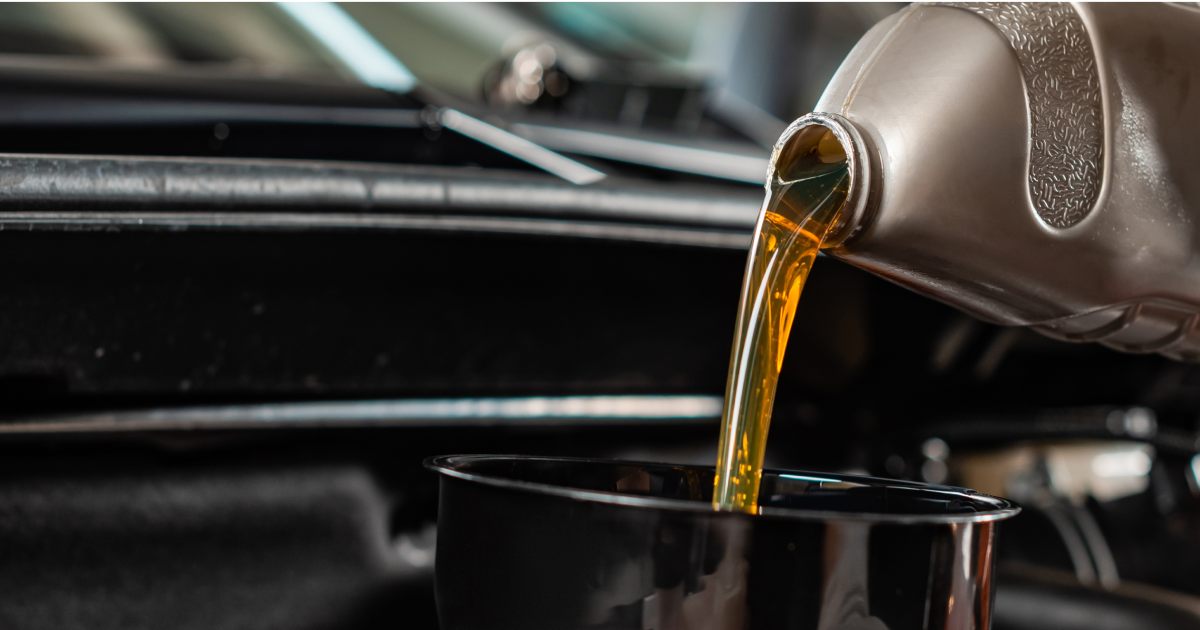
Honda engines are known for lasting, but they still need clean oil at the proper level. Engine oil protects timing components, camshafts, bearings, pistons, and variable valve timing parts.
If oil changes are delayed, oil can collect contaminants, thicken, and leave deposits behind. Low oil is even more concerning. Some higher-mileage Hondas use oil between services, and the driver may not notice until the level is already low.
A quick oil change is much cheaper than timing component wear, oil pressure problems, or internal engine damage. Regular maintenance helps keep the engine reliable instead of relying on reputation alone.
Transmission Service Should Not Be Ignored
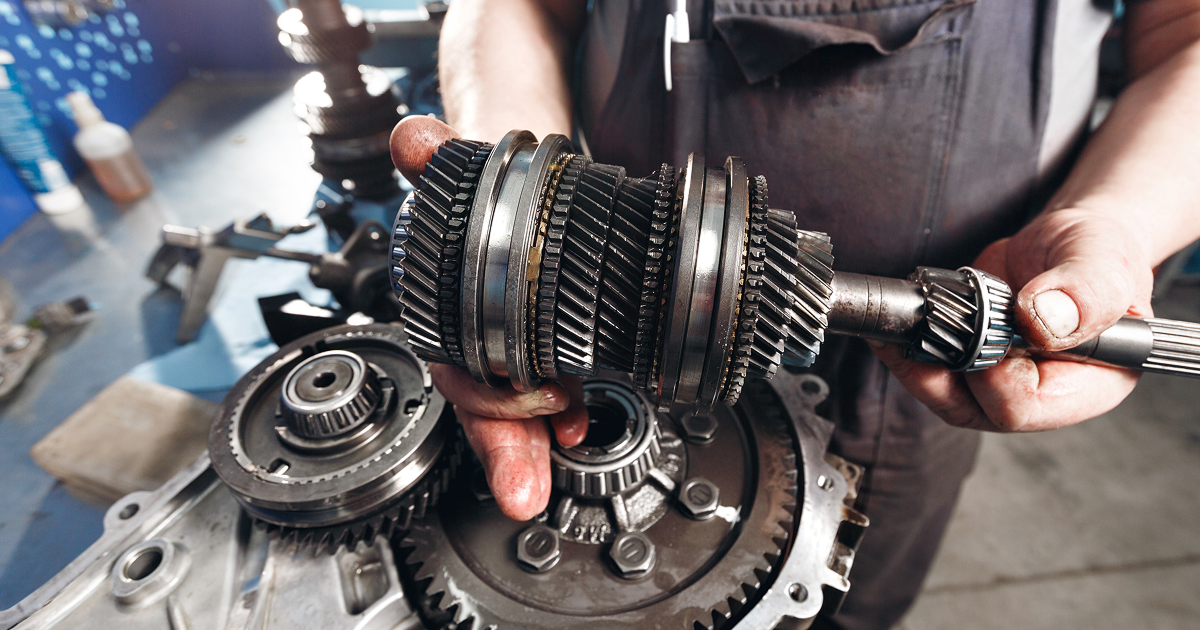
Honda transmission problems can become expensive when early signs are missed. Depending on the model and year, symptoms can include delayed engagement, harsh shifts, slipping, shuddering, or vibration during acceleration.
Transmission fluid condition matters. Old fluid can affect shift feel, heat control, and internal wear. The correct fluid is important, too, because Honda transmissions are not always happy with generic fluid choices.
If the vehicle starts shifting differently, do not wait until it becomes severe. A fluid service or inspection at the right time can help catch problems before a larger transmission repair is needed.
Cooling System Problems Can Get Costly
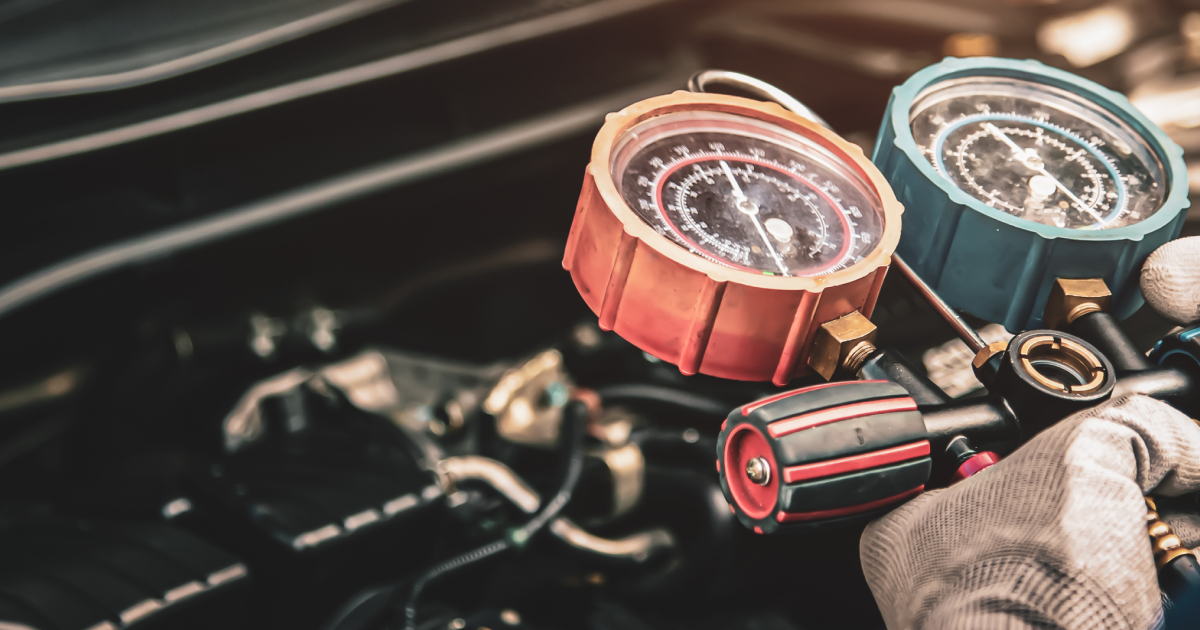
The cooling system keeps the engine in its safe temperature range. Radiators, hoses, thermostats, water pumps, fans, pressure caps, and coolant all need to do their job.
A small coolant leak may not leave a puddle. Coolant can dry on hot parts, leaving crusty residue or a sweet smell after driving. If the coolant level keeps dropping, the system needs to be checked.
Overheating can damage gaskets, cylinder heads, and other engine parts. A Honda may tolerate many miles of normal use, but it should not be driven through temperature warnings or repeated coolant loss.
Suspension Wear Can Sneak Up Slowly
Honda vehicles can feel easy to drive even when suspension parts are starting to wear. The ride may get rougher little by little. The steering may feel slightly loose. Tires may start wearing unevenly before the driver notices a handling problem.
Control arms, bushings, struts, shocks, ball joints, sway bar links, and wheel bearings all wear with age and mileage. Clearwater roads, heat, rain, and daily commuting can all add to that wear.
Ignoring suspension symptoms can damage tires and affect steering feel. A worn part that starts as a small clunk can eventually lead to alignment problems, uneven tread, and a more expensive repair.
Warning Lights Should Not Be Trusted To Wait
A check engine light, battery light, ABS light, oil warning, or temperature warning should not be ignored just because the car still drives. Honda vehicles can store useful data before a problem becomes obvious from the driver’s seat.
The code is only the starting point. A sensor warning may be caused by wiring, low voltage, air leaks, fluid issues, or another system feeding bad information.
Watch for these changes:
- Check engine light that stays on
- Rough start or hesitation under acceleration
- The temperature gauge is rising above normal
- Burning oil or coolant smell after parking
- New vibration, clunk, or steering pull
- Fluid spots or repeated low fluid levels
Small clues can save money when they are checked early.
Age Can Be As Important As Mileage
Some Hondas do not rack up miles quickly, especially second vehicles, retired commuter cars, or cars used mostly for short trips. Low mileage can be good, but age still affects rubber, seals, hoses, batteries, tires, and fluids.
A ten-year-old vehicle with low miles can still have old coolant, cracked belts, weak tires, dry bushings, and a battery near the end of its life. Short trips can also be hard on oil because the engine may not stay hot long enough to burn off moisture and fuel residue.
A reliable car still needs care based on age, mileage, and driving habits. Waiting only for symptoms can leave too much to chance.
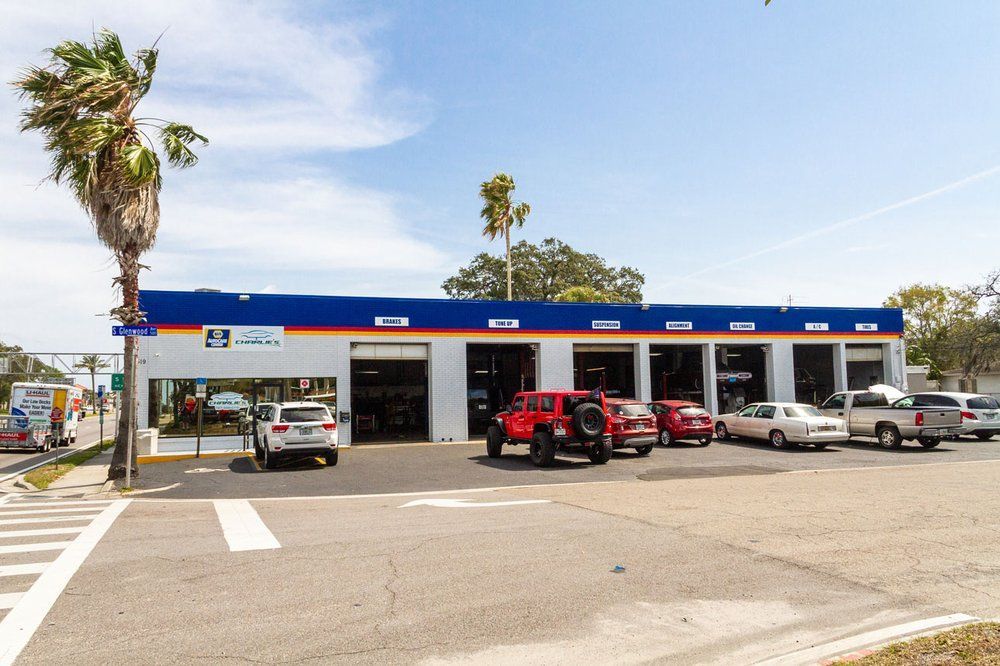
Get Honda Repair In Clearwater, FL, With Charlie's Car Care
If your Honda has warning lights, fluid leaks, shifting changes, rough starts, suspension noise, or overdue maintenance,
Charlie's Car Care in Clearwater, FL, can check the vehicle and explain what needs attention.
Schedule a visit and keep your reliable Honda from surprising you with repair needs that could have been caught sooner.