Engine oil has a specific job in a specific engine. It has to build pressure quickly, flow through small passages, protect heavily loaded parts, control deposits, and handle the temperatures that the engine produces. When the wrong oil goes in, the engine does not necessarily fail right away. More often, it starts operating outside the conditions its lubrication system was designed around.
We see this after DIY oil changes, quick-service visits, or when someone tops off the engine with whatever bottle happens to be available. How serious it is depends on how far the oil differs from the correct viscosity and specification, along with how long the engine has been driven that way.
Oil That Is Too Thick Can Circulate Too Slowly
Thicker oil takes more effort to pump, especially during startup. If an engine calls for a light oil such as 0W-20 and receives something considerably thicker, the oil takes longer to reach some of the smaller passages when the engine is cold.
That is important on modern engines with variable valve timing, hydraulic tensioners, and turbochargers. These systems depend on controlled oil flow, not just having oil somewhere inside the engine.
You might hear extra ticking or rattling right after startup, particularly in colder weather. The engine can also feel slightly less responsive because the oil pump is working against greater resistance.
Oil That Is Too Thin Changes Protection When the Engine Gets Hot
Oil becomes thinner as temperature rises. The manufacturer chooses a viscosity that still maintains an adequate lubricating film once the engine reaches full operating temperature.
If the oil is significantly thinner than required, that film can become weaker around bearings, camshafts, and other loaded surfaces. The concern grows during long highway drives, towing, high temperatures, or hard acceleration.
At our shop, we don't try to solve an oil-pressure or engine-noise complaint by randomly switching to a thicker or thinner oil. We first verify what the engine requires and whether the correct oil is already in it. Changing viscosity without understanding the problem can hide a symptom without fixing its cause.
The Correct Specification Matters Beyond Viscosity
The numbers on the front of the bottle are only part of the story. Two oils with the same viscosity can have different additive packages and manufacturer approvals.
Modern engines rely on those additives for deposit control, timing-component protection, turbocharger cleanliness, and compatibility with emissions equipment. Some engines also have very specific oil requirements because of direct injection or other design features.
That is why we verify the complete oil specification during an inspection. Using the right viscosity but the wrong performance standard is still using the wrong oil.
Variable Valve Timing Can React to Incorrect Oil
Many engines use oil pressure to control camshaft timing. Small oil-control valves direct oil into cam phasers so the engine computer can adjust valve timing as RPM and load change.
Oil that is too thick, badly degraded, or incorrect for the engine can interfere with that control. The result can include rough running, slower response, timing-related fault codes, or rattling from the timing area.
Changing to the correct oil can help when the problem is strictly related to oil condition or viscosity. It will not repair a worn phaser, damaged tensioner, clogged passage, or failed control valve. If the symptoms remain after the correct oil is installed, the engine needs proper diagnosis.
Turbocharged Engines Give You Less Room for Error
A turbocharger operates at very high speed and extreme temperature. Engine oil lubricates its shaft and bearings while also carrying heat away from the center housing.
Incorrect oil can create problems here faster than in a lightly loaded part of the engine. Oil that does not handle heat well can leave deposits in turbo oil passages. Oil that flows poorly can reduce lubrication during startup, while the wrong specification can shorten the life of the oil under repeated high-temperature operation.
This is one reason we pay close attention to exact oil requirements on turbocharged vehicles. Regular maintenance with the correct product is far cheaper than repairing a damaged turbocharger.
One Wrong Oil Change Does Not Automatically Ruin the Engine
Drivers sometimes realize the mistake and assume the engine is already damaged. In most cases, catching it early makes the solution simple.
If the vehicle has only been driven a short distance and there are no warning lights or unusual noises, we normally correct the oil and filter and move on. The farther the oil is from the correct specification, the sooner we want it out.
If the vehicle has been driven for months on the wrong oil, we pay closer attention to oil pressure, engine noise, leaks, consumption, and stored faults.
A proper oil change is still the first step, but we do not promise that fresh oil will reverse wear that has already occurred.
Do Not Ignore New Symptoms After an Oil Change
A change in engine behavior right after service deserves attention. Ticking, rattling, an oil-pressure warning, new leaks, smoke, or noticeably different engine response should be checked instead of dismissed as normal.
Sometimes the problem is the oil itself. Other times the engine was overfilled, underfilled, fitted with the wrong filter, or left with a loose drain plug or filter seal.
If the oil-pressure warning appears, shut the engine off rather than driving farther to see if it goes away. That warning is one place where continuing to drive can turn a simple service mistake into serious engine damage.
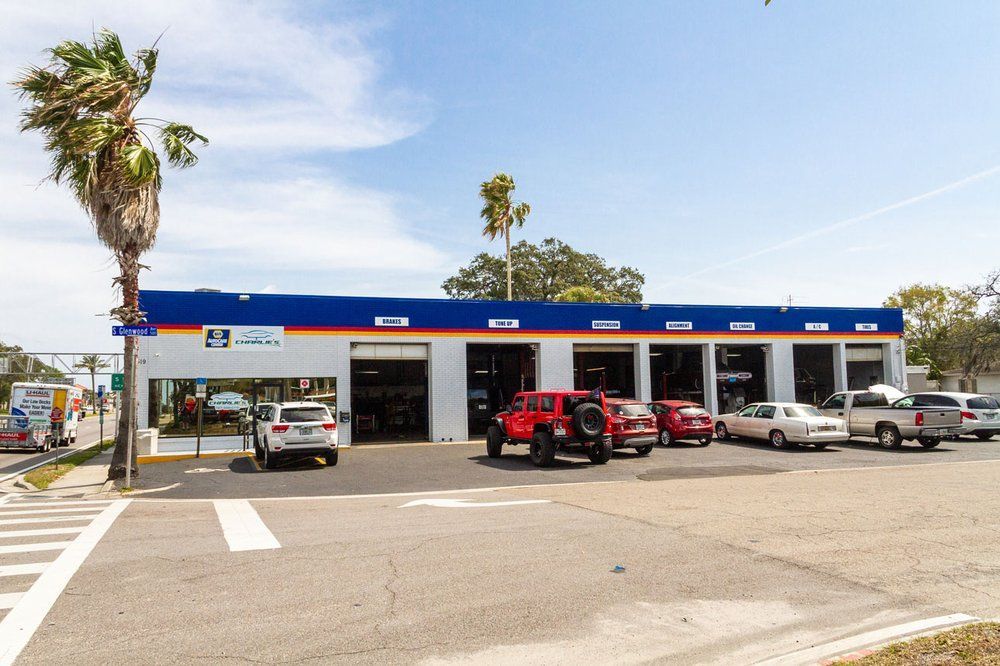
Get Engine Oil Service In Clearwater, FL, With Charlie's Car Care
If you suspect the wrong oil was used in your vehicle,
Charlie's Car Care in Clearwater, FL, can verify the correct viscosity and specification, check the oil level and filter, and correct the service before the engine spends more time on the wrong lubricant.
Schedule an oil service and put the engine back on the oil it was designed to run with.